
Optimal oral hygiene is the cornerstone of maintaining healthy teeth and gums, preventing common dental issues like cavities and gum disease. It involves a consistent routine of brushing, flossing, and regular professional care, which safeguards your overall well-being and prevents more complex, costly treatments.
Your Foundation for Lifelong Dental Health
Maintaining good oral hygiene is essential not just for your smile but for your general health. Poor oral health has been linked to various systemic conditions, including heart disease and diabetes. At Chandler Park Dental Care in Bowling Green, KY, Dr. Devin T. Hall emphasizes that a proactive approach to dental care is more effective and less invasive than reactive treatments for advanced problems.
Establishing solid habits early on ensures your mouth stays healthy throughout your life. It means understanding the right techniques and using the proper tools to keep your teeth clean and your gums robust. This commitment to daily care, combined with routine check-ups and cleanings, forms an impenetrable defense against dental issues.
How Often Should You Brush Your Teeth?
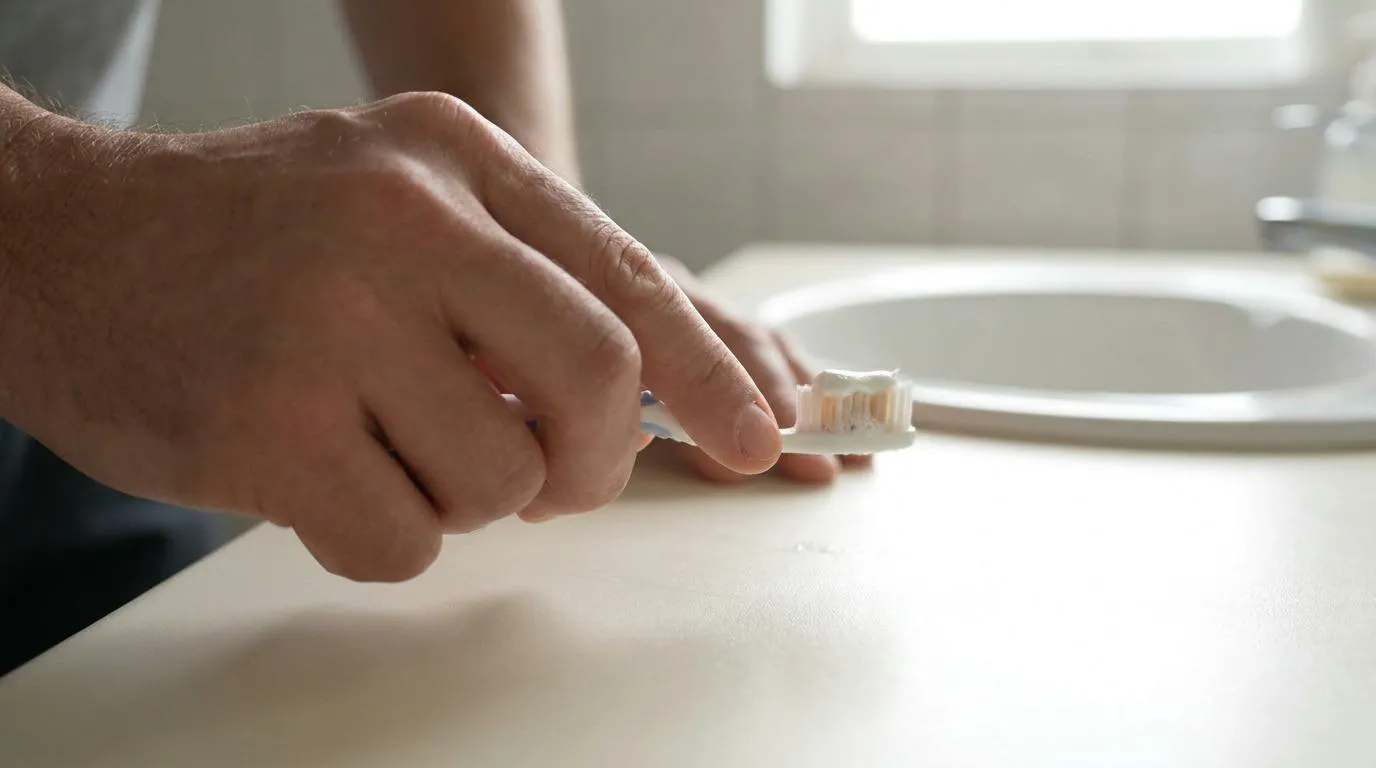
You should brush your teeth at least twice a day, ideally in the morning after breakfast and before bed, for two minutes each time. This frequency effectively removes food particles, plaque, and bacteria accumulated throughout the day and night.
Consistent brushing is vital for preventing plaque buildup, which is the primary cause of cavities and gum inflammation. Using a soft-bristled brush and fluoride toothpaste helps clean effectively without damaging enamel or gums. Dr. Devin T. Hall often reminds his patients that brushing technique is as important as frequency.
- Morning Routine: Brushing after your first meal helps remove overnight bacterial accumulation and food debris, starting your day with a fresh mouth.
- Evening Routine: Brushing before bed is crucial to eliminate the day’s food particles and plaque, preventing bacteria from thriving unchallenged overnight.
- Gentle Pressure: Always use gentle, circular motions, ensuring you reach all tooth surfaces, including the chewing surfaces and the backs of your front teeth.
- Electric vs. Manual: While both can be effective, electric toothbrushes often make it easier to maintain the recommended two-minute brushing time and proper pressure.
The Importance of Daily Flossing
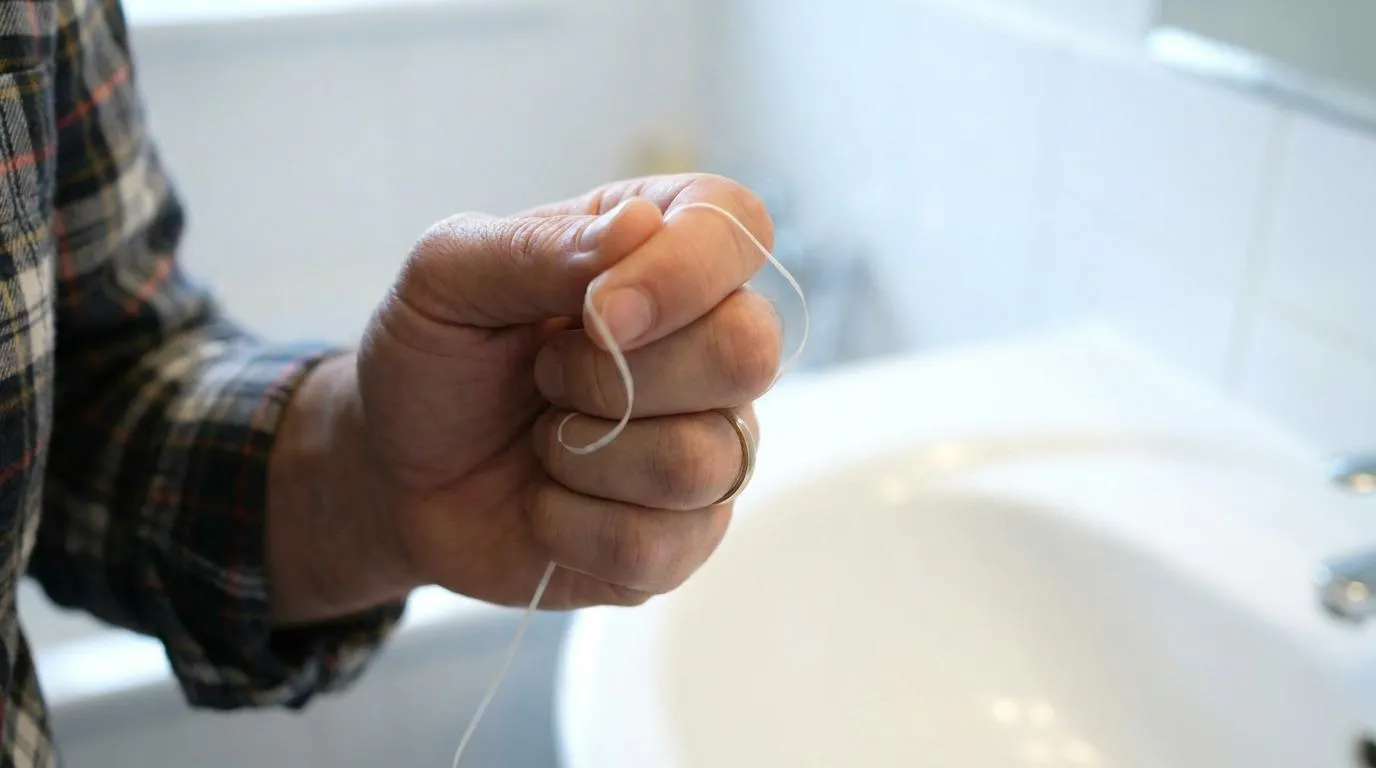
Daily flossing is critical for removing plaque and food debris from between your teeth and under the gumline, areas your toothbrush cannot reach. This prevents interdental cavities, bad breath, and the development of gum disease, complementing your brushing routine.
Many people overlook flossing, but it’s a non-negotiable part of a complete oral hygiene regimen. Without it, about 35% of your tooth surfaces remain uncleaned, creating prime environments for bacteria to flourish. Flossing helps disrupt these bacterial colonies and keeps your gums healthy.
Flossing Best Practices
- Proper Technique: Use about 18 inches of floss, winding most of it around your middle fingers, leaving an inch or two to work with. Gently guide the floss between your teeth, curving it into a C-shape against each tooth.
- All Surfaces: Ensure you slide the floss gently below the gumline and scrape upwards several times to remove plaque. Use a fresh section of floss for each tooth to avoid reintroducing bacteria.
- Consistency is Key: Floss at least once a day, preferably before brushing, to dislodge particles that can then be swept away by your toothbrush.
- Alternative Tools: If traditional floss is challenging, consider options like water flossers or interdental brushes, which can be highly effective alternatives for reaching tight spaces.
What Kind of Toothpaste Should You Use?
You should use fluoride toothpaste, as fluoride strengthens tooth enamel and makes it more resistant to acid attacks, significantly helping to prevent cavities. Look for toothpastes with the American Dental Association (ADA) Seal of Acceptance for assurance of efficacy and safety.
Fluoride is a naturally occurring mineral that plays a crucial role in tooth health. It helps to remineralize enamel, repairing early signs of decay before they become full-blown cavities. Dr. Devin T. Hall often discusses toothpaste options with patients during their visits to Chandler Park Dental Care, recommending products tailored to individual needs, such as those for sensitive teeth or tartar control.
While many toothpastes offer specialized benefits, the core ingredient for cavity prevention remains fluoride. Be cautious of abrasive toothpastes that promise whitening without fluoride, as they can sometimes wear down enamel. Always choose a toothpaste that balances effective cleaning with tooth protection. Reading labels carefully is always a good idea.
The Role of Mouthwash in Oral Hygiene
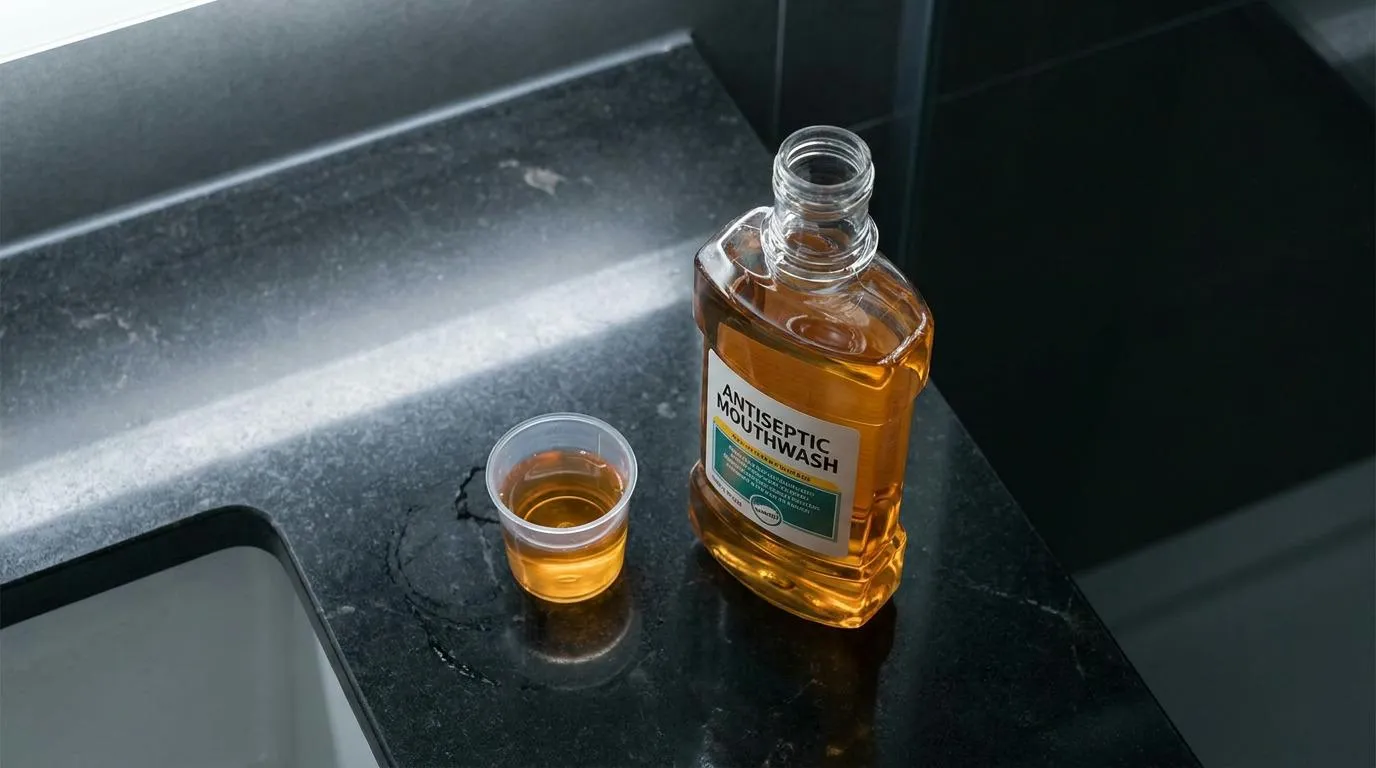
Mouthwash can be a beneficial supplement to brushing and flossing, but it should not replace them. Therapeutic mouthwashes containing fluoride or antiseptics can help reduce plaque, gingivitis, and bad breath, providing an extra layer of protection for your oral health.
While mouthwash offers a refreshing feel and can kill some bacteria, it’s primarily an accessory to the core routine of brushing and flossing. It can reach areas your brush might miss, but its cleansing power isn’t strong enough to remove sticky plaque. For specific concerns, Dr. Devin T. Hall might recommend a particular type of mouthwash.
Types of Mouthwash
- Antiseptic Mouthwash: These contain ingredients like chlorhexidine or essential oils that help kill bacteria responsible for gum disease and bad breath. They can be very effective for managing gingivitis.
- Fluoride Mouthwash: These provide an extra dose of fluoride, further strengthening enamel and offering additional cavity protection, especially for those prone to decay.
- Cosmetic Mouthwash: Primarily designed to mask bad breath and leave a fresh taste, these do not typically offer significant therapeutic benefits for plaque or gum disease.
- Natural/Alcohol-Free Options: For individuals with dry mouth or sensitive gums, alcohol-free mouthwashes can be a gentler yet effective option, avoiding irritation.
Regular Dental Check-Ups and Cleanings
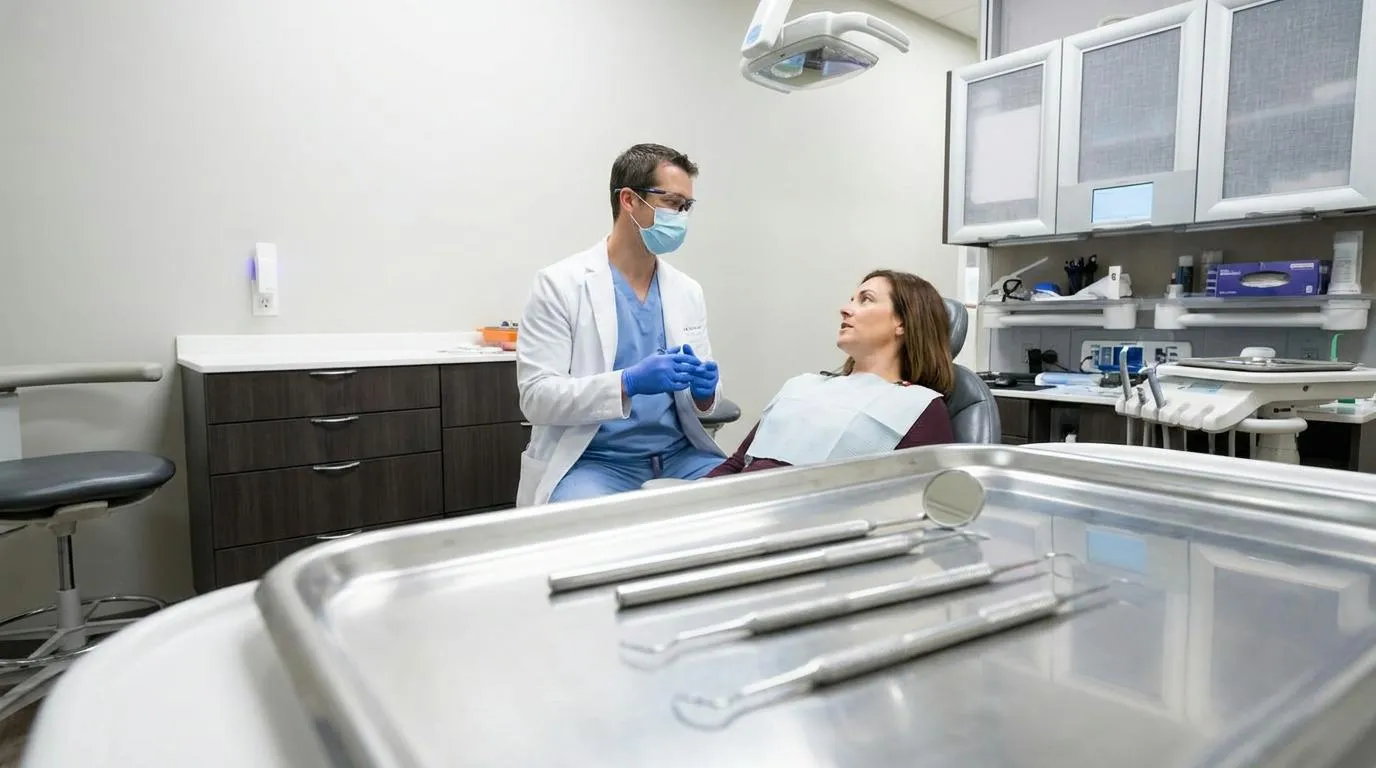
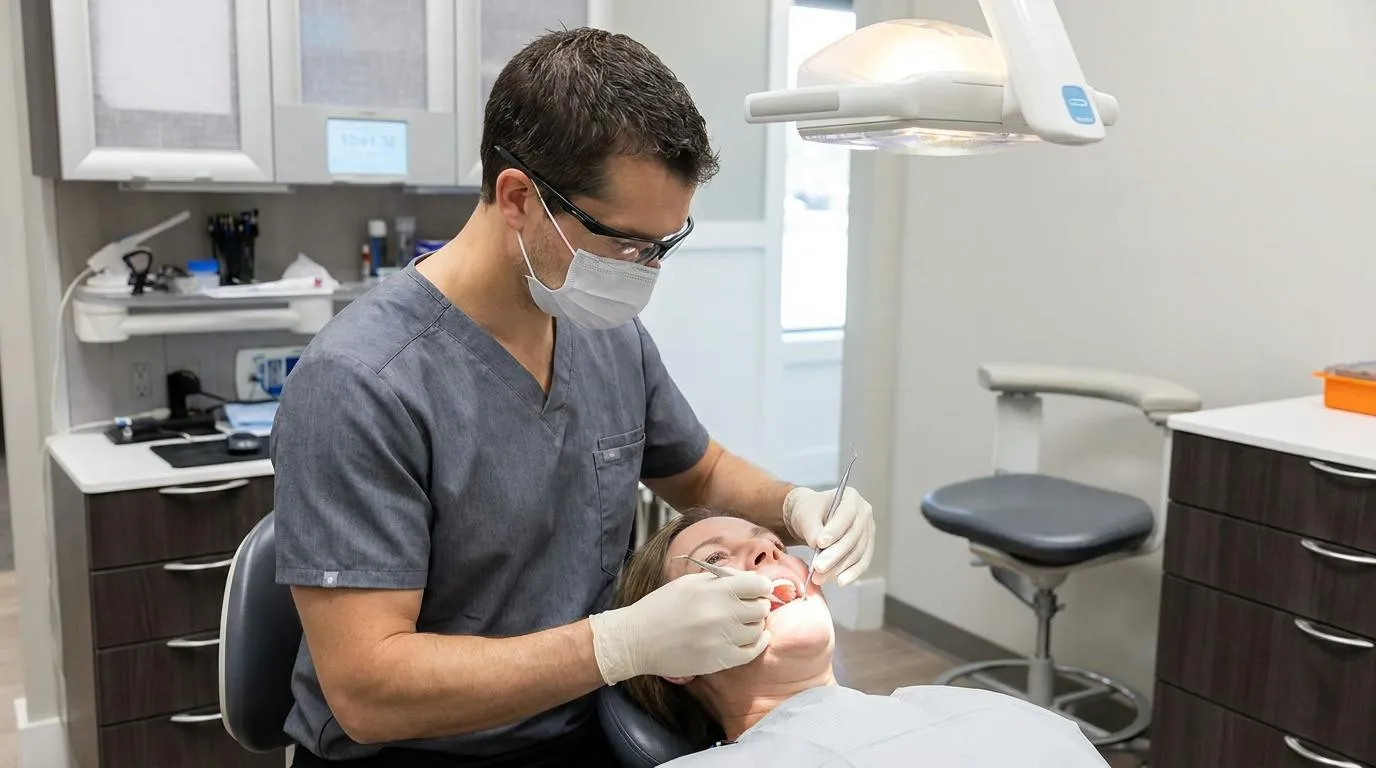
Regular dental check-ups and professional cleanings, typically every six months, are indispensable for optimal oral hygiene. These visits allow Dr. Devin T. Hall to detect and address issues early, remove hardened plaque (tartar), and prevent serious dental problems from developing.
Even with diligent home care, plaque can harden into tartar, which cannot be removed by brushing or flossing alone. Professional cleanings at Chandler Park Dental Care in Bowling Green are essential for removing this stubborn buildup, preventing cavities and periodontal disease. During these visits, Dr. Devin T. Hall performs a comprehensive examination, checking for early signs of decay, gum disease, and other oral health concerns.
These appointments also include oral cancer screenings and evaluations of existing restorations like fillings or crowns. Catching problems in their nascent stages means simpler, less invasive, and often more affordable treatments. Prevention is always the best strategy for maintaining a healthy smile.
Maintaining Oral Health Between Visits
Maintaining strong oral health between professional visits involves consistent daily brushing and flossing, a balanced diet limiting sugary foods, and avoiding tobacco products. These practices reinforce the work done during cleanings and actively prevent new issues from forming.
Your daily habits are the most significant factor in maintaining oral health. What you do at home, day in and day out, determines the condition of your teeth and gums between appointments at Chandler Park Dental Care. It’s about empowering yourself with proactive choices for your smile.
Everyday Oral Health Habits
- Balanced Diet: Limit sugary snacks and drinks, which feed bacteria that produce enamel-eroding acids. Focus on nutrient-rich foods, including fruits, vegetables, and dairy.
- Hydration: Drinking plenty of water, especially fluoridated water, helps rinse away food particles and neutralize acids, keeping your mouth moist and healthy.
- Avoid Tobacco: Smoking and chewing tobacco are major risk factors for gum disease, oral cancer, and staining. Eliminating these habits significantly boosts your oral and overall health.
- Mindful Snacking: If you must snack, choose tooth-friendly options like cheese, nuts, or raw vegetables that don’t linger on teeth or promote acid production.
- Protect Your Teeth: If you grind your teeth, Dr. Devin T. Hall may recommend a custom nightguard. For sports, a mouthguard is essential protection against injury.

What This Means for Your Oral Health
Adopting and consistently practicing optimal oral hygiene is an investment in your lifelong health and well-being. It’s more than just keeping your teeth clean; it’s about preventing pain, preserving your natural smile, and avoiding the need for more extensive dental interventions down the road. By diligently following practices like brushing twice daily for two minutes, flossing every day, and using fluoride toothpaste, you establish a powerful defense against common dental ailments.
Regular visits to Chandler Park Dental Care in Bowling Green, KY, complement your home care by providing professional cleanings and comprehensive examinations. Dr. Devin T. Hall and his team are dedicated to helping you achieve and maintain exceptional oral health. His expertise ensures that any potential issues are identified and addressed early, often before they become complex or painful. Understanding the significance of each component—from proper brushing technique to dietary choices—empowers you to take an active role in safeguarding your dental future. Prioritizing these habits today ensures a healthier, brighter smile for many years to come.
Frequently Asked Questions
What are the essential components of good oral hygiene?
The essential components are daily brushing, daily flossing, and regular professional dental check-ups and cleanings.
How often should I replace my toothbrush?
You should replace your toothbrush every three to four months, or sooner if the bristles become frayed.
Is fluoride safe for everyone?
Fluoride is generally safe and beneficial for most people when used in appropriate amounts, as recommended by dental professionals.
Can mouthwash replace brushing and flossing?
No, mouthwash cannot replace brushing and flossing; it is a supplementary tool for rinsing and freshening your mouth.
How do professional dental cleanings differ from at-home brushing?
Professional cleanings remove hardened plaque (tartar) and stains that at-home brushing and flossing cannot eliminate.
What is the main cause of cavities?
Cavities are mainly caused by plaque bacteria producing acids that erode tooth enamel after consuming sugars.
What are the signs of gum disease?
Signs of gum disease include red, swollen, or bleeding gums, persistent bad breath, and sensitive teeth.
Does diet affect oral health?
Yes, a diet high in sugars and acidic foods can significantly contribute to tooth decay and erosion.
Why does Dr. Devin T. Hall emphasize preventive care?
Dr. Devin T. Hall emphasizes preventive care because it helps catch dental issues early, leading to simpler treatments and better long-term oral health outcomes.
Where is Chandler Park Dental Care located?
Chandler Park Dental Care is conveniently located in Bowling Green, KY, serving the local community.