
Gum Contouring in Bowling Green, KY
what to know about Gum Contouring.
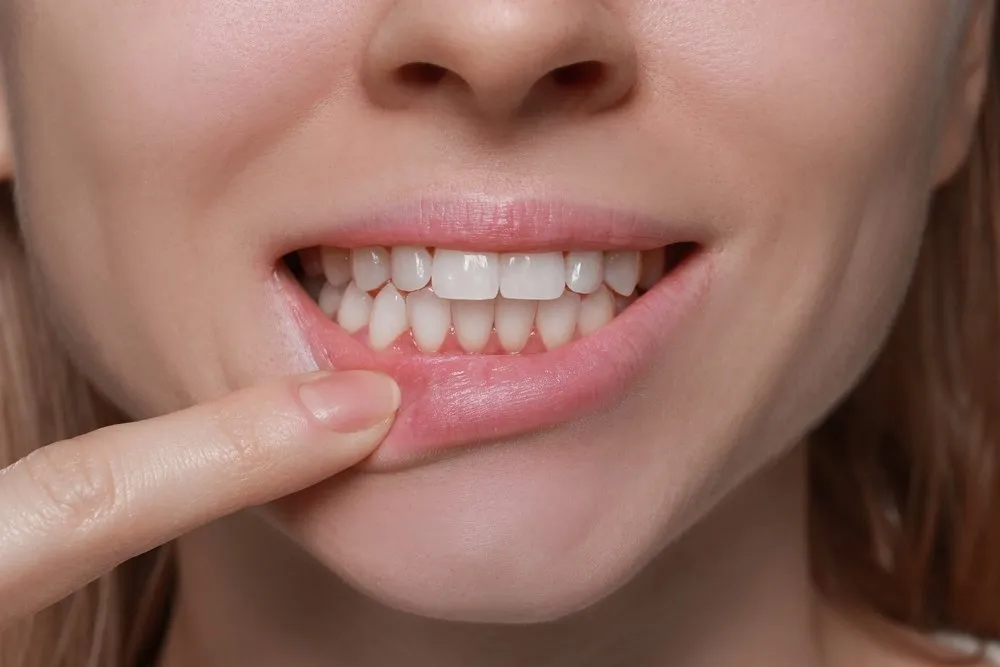
Looking for Gum Contouring in Bowling Green, KY? Gum contouring (sometimes called a gum lift, gingival contouring, or crown lengthening) is a cosmetic procedure that reshapes the gum line to create a more balanced, attractive smile. At Chandler Park Dental Care, we use modern techniques including dental lasers to remove or reshape excess gum tissue with precision and minimal discomfort. Patients with a gummy smile, uneven gum line, or short-looking teeth often benefit dramatically from gum contouring, and the results are visible immediately.
Many patients don't realize how much their gum line affects the overall look of their smile. When too much gum tissue shows above the teeth, the smile can look gummy and the teeth can appear small. When the gum line is uneven, individual teeth can look asymmetrical even when they're actually well-aligned. Gum contouring addresses both issues by precisely shaping the gum tissue to expose more of each tooth and create a harmonious gum line across the smile.
The procedure is performed under local anesthesia and most patients describe it as comfortable, similar to a routine cleaning. Laser contouring offers the additional benefit of cauterizing the tissue as it cuts, which means less bleeding, faster healing, and minimal post-operative discomfort. Most patients return to normal activities the same day. Gum contouring is often combined with other cosmetic procedures like veneers, bonding, or whitening as part of a comprehensive smile makeover, but it can also stand alone as a quick, transformative procedure.
care, done well.
A balanced gum line is one of the most underrated elements of a beautiful smile. At Chandler Park Dental Care, we evaluate the entire smile architecture (teeth, gums, lips, and face) before recommending gum contouring. We want to make sure reshaping the gums will actually improve your overall appearance and not just address a single concern in isolation.
We use modern laser technology when appropriate, which is more precise than traditional scalpel techniques and produces less bleeding and faster healing. We also discuss whether gum contouring alone will achieve your goals or whether it should be combined with veneers, bonding, or orthodontics for the best result. For patients with a gummy smile, we explain the difference between excess gum tissue (which contouring addresses) and underlying skeletal issues (which may require additional treatment).
- 01Personalized care. Every plan is built around your unique needs, never a template.
- 02Advanced technology. The latest tools make our care more effective, less invasive, and more comfortable.
- 03An experienced team. Skilled dentists bringing real expertise to every visit.

how treatment works.
frequently asked questions.
A few answers so you can feel informed and prepared before your visit.
The procedure itself typically takes 30 to 60 minutes for most cases. Complex cases involving multiple teeth or significant reshaping may take longer. Most patients are in and out of the office in under 90 minutes including consultation time before the procedure begins.
The cost of gum contouring depends on how many teeth are involved and how much tissue is being reshaped. Evening out a single tooth is a small procedure, while reshaping across the visible smile to correct an uneven gumline is considerably larger. What lies underneath matters too, since in some cases the bone level beneath the gum determines where the gumline sits, and modifying bone is a more involved surgical procedure. The reason for treatment also affects your coverage, since reshaping done purely to improve appearance is considered cosmetic and generally not covered, while the same procedure done to expose enough tooth structure for a crown may carry a benefit. We will examine your gumline and provide a treatment plan before anything begins.
The procedure is generally comfortable. Local anesthesia numbs the area completely so you don't feel pain during contouring. Most patients describe mild tenderness or sensitivity for a few days afterward, similar to mouth soreness, easily managed with over-the-counter pain relievers. Laser contouring typically produces less discomfort than traditional surgical methods.
Most patients return to normal activities the same day. Mild swelling and tenderness may last a few days. Complete healing of the gum tissue takes about 1 to 2 weeks. We provide post-operative instructions including how to brush gently around the area, what foods to avoid initially, and signs that warrant a follow-up call.
Gum tissue typically does not grow back to its original position after contouring. The result is essentially permanent, which is one reason careful planning is important before the procedure. In rare cases, some tissue regrowth occurs, particularly if underlying inflammation wasn't addressed first. Most patients enjoy lasting results from a single procedure.
Yes, gum contouring is the primary treatment for a gummy smile when the cause is excess gum tissue covering otherwise normal teeth. For some patients, the cause of a gummy smile is hyperactive lip muscles or skeletal issues with the upper jaw, which require different treatments like Botox or orthognathic surgery. We evaluate the cause carefully before recommending contouring.
Laser contouring offers several advantages: more precise tissue removal, less bleeding (the laser cauterizes as it cuts), faster healing, less post-operative discomfort, and reduced risk of infection. Traditional scalpel techniques are still appropriate for some cases, particularly when bone reshaping is also needed. We choose the right technique based on your specific situation.
Yes, gum contouring is often combined with other cosmetic procedures as part of a smile makeover. It's particularly common to combine it with veneers, since reshaping the gum line first allows the veneers to be properly proportioned. We can plan combined treatments efficiently to minimize total appointment time and produce a cohesive final result.
Most patients with healthy gums are candidates for cosmetic contouring. Patients with active gum disease must have that treated first. Patients on certain medications that affect gum tissue or healing may need special consideration. A consultation determines candidacy and identifies any factors that need to be addressed before the procedure.