
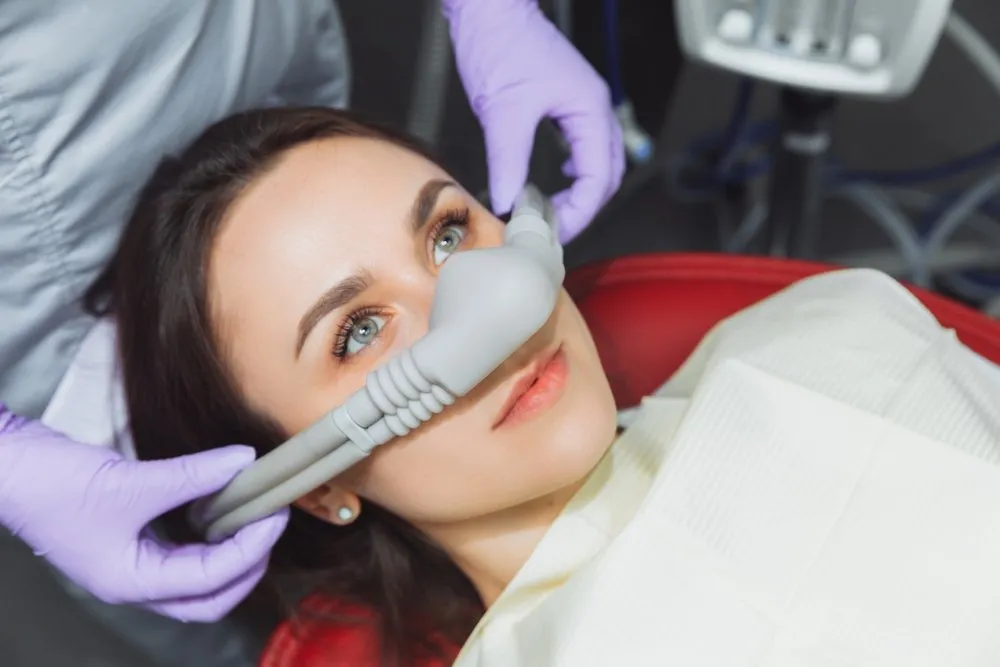
Sedation Dentistry in Bowling Green, KY
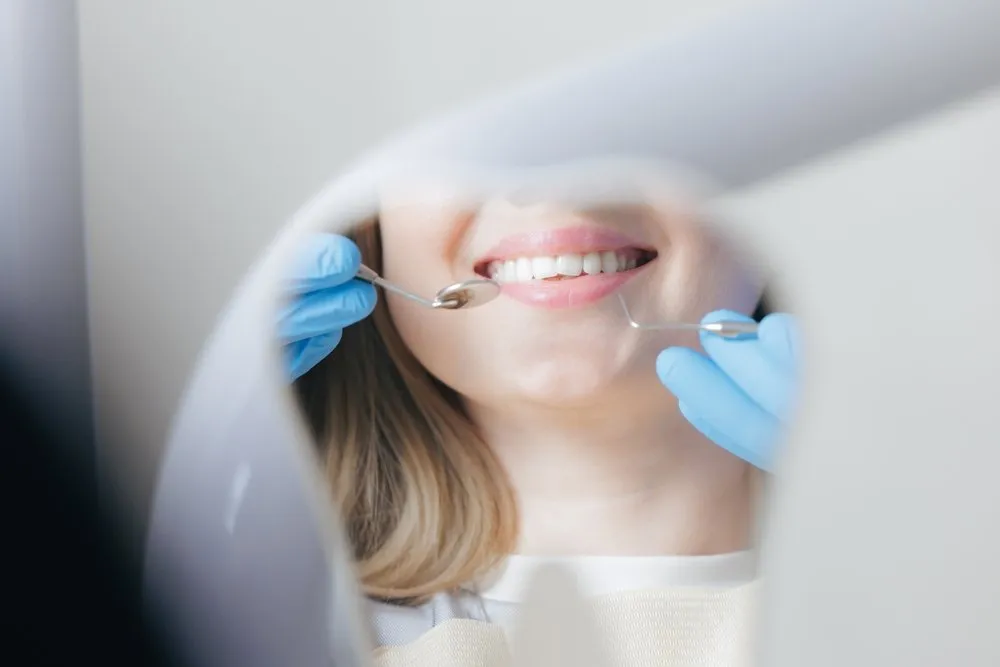
what to know about Sedation Dentistry.
Looking for Sedation Dentistry in Bowling Green, KY? Sedation dentistry uses safe, controlled medication to help patients feel calm and comfortable during dental treatment. For people who experience dental anxiety, have a strong gag reflex, struggle to get numb, or simply face a long or complex procedure, sedation can transform the experience from stressful to relaxed. At Chandler Park Dental Care, we offer multiple levels of sedation so we can match the right option to your needs and the treatment planned, from light relaxation that wears off in minutes to deeper sedation for more involved procedures. Sedation does not replace local anesthesia, which numbs the specific area being treated; instead, it works alongside it to ease anxiety and help time pass comfortably. Patients often describe feeling at ease, unbothered, and sometimes with little memory of the appointment afterward. All sedation is carefully monitored throughout your visit for safety. Whether you have avoided the dentist for years out of fear or just want a calmer experience, sedation dentistry makes it possible to get the care you need comfortably. Below are the sedation options we offer and how each one works.
care, done well.
At Chandler Park Dental Care, we believe fear should never stand between you and a healthy smile. We take time to understand your concerns and medical history, then recommend the gentlest level of sedation that will keep you comfortable for your specific treatment. We explain how you will feel, how long it lasts, and what to expect afterward, so there are no surprises. Your safety is our priority, which is why we monitor you closely throughout and never rush the process. Our aim is simple: care that feels easy.
- 01Personalized care. Every plan is built around your unique needs, never a template.
- 02Advanced technology. The latest tools make our care more effective, less invasive, and more comfortable.
- 03An experienced team. Skilled dentists bringing real expertise to every visit.
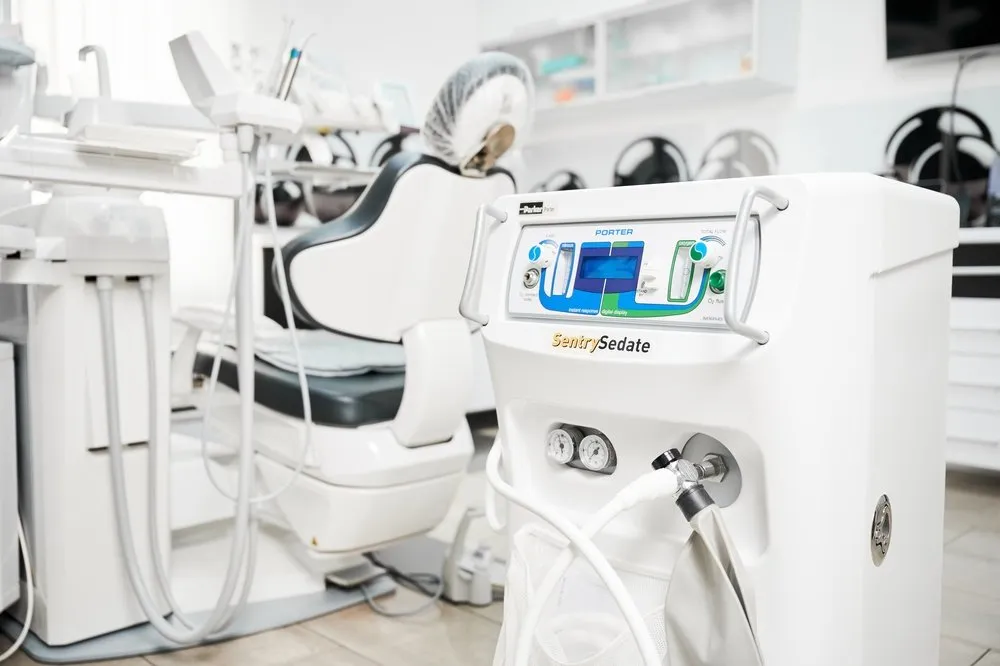
how treatment works.
frequently asked questions.
A few answers so you can feel informed and prepared before your visit.
Sedation dentistry uses medication to help you relax during dental treatment. It ranges from mild inhaled sedation that keeps you awake and calm to deeper sedation for more involved care. It is used to ease anxiety, manage a strong gag reflex, or make long procedures more comfortable. Sedation works alongside local anesthesia, which numbs the treatment area.
Yes, when administered and monitored by trained professionals, sedation dentistry is very safe. We review your medical history beforehand, choose the appropriate level for your needs, and monitor you throughout the appointment. Deeper sedation and general anesthesia involve additional monitoring and, in the case of general anesthesia, a partnering anesthesiologist for maximum safety.
The right option depends on your level of anxiety, the procedure planned, and your health history. Mild anxiety and routine care often suit nitrous oxide, while greater anxiety or longer treatment may call for oral or IV sedation. We discuss your concerns and recommend the gentlest effective option during your consultation.
Not usually. With nitrous oxide and oral sedation you remain awake and able to respond, just deeply relaxed. IV sedation produces a heavier, drowsy state where many patients remember little. Only general anesthesia produces full unconsciousness, and it is reserved for specific cases. We will tell you exactly what to expect from the option you choose.
It depends on the sedation used. After nitrous oxide, the effects wear off within minutes and most patients can drive themselves home. After oral sedation, IV sedation, or general anesthesia, you will need a responsible adult to drive you and stay with you afterward, as the medication takes time to fully clear your system.
The cost of sedation depends on which type is appropriate for you and how long your appointment runs. Sedation ranges from light to deep, and the options differ in what they involve. Inhaled sedation is administered through a mask, takes effect quickly, and wears off soon after the appointment ends. Oral sedation involves medication taken beforehand and requires someone to drive you. Deeper forms of sedation involve intravenous medication and continuous monitoring throughout the procedure, which requires additional staffing and equipment. We will discuss which option suits your treatment and your health history, and review the plan and your estimated cost with you before your appointment.
No. Sedation helps you relax, but it does not numb the treatment area. Local anesthetic is still used to block pain at the specific site being treated. The two work together: sedation eases your anxiety and helps time pass comfortably, while the local anesthetic ensures you do not feel the procedure itself.
Yes. Sedation is one of the most effective tools for patients who avoid the dentist due to fear. It allows anxious patients to receive necessary care comfortably, often for the first time in years. Many patients find that a few positive, sedated visits gradually reduce their anxiety over time. We tailor the approach to help you feel safe.
Yes, when appropriate. Nitrous oxide is commonly and safely used to help children relax during dental treatment. Deeper sedation may be considered for very young, very anxious, or special-needs children, or for extensive treatment, always with careful evaluation and monitoring. We discuss the safest, most suitable option with parents beforehand.