
Understanding Dental Veneers and Their Purpose
Dental veneers are ultra-thin shells crafted from porcelain or composite resin that adhere to the visible front surface of teeth to improve their color, shape, size, or symmetry. Designed to blend seamlessly with surrounding enamel, they offer a long-lasting aesthetic enhancement for individuals seeking to address stubborn stains, chips, minor misalignments, or irregular spacing.
Hannah, a graphic designer in her early thirties from Bowling Green, spent years hiding her smile in photographs. A childhood bicycling accident left one front tooth visibly chipped, and routine whitening treatments could never lift deep discoloration on her adjacent enamel.
Seeking a predictable cosmetic transformation, she scheduled a comprehensive consultation to learn how Veneers could restore her appearance. She wanted a natural solution that would protect her natural tooth structure while renewing her everyday confidence.
How Dental Veneers Differ From Crowns
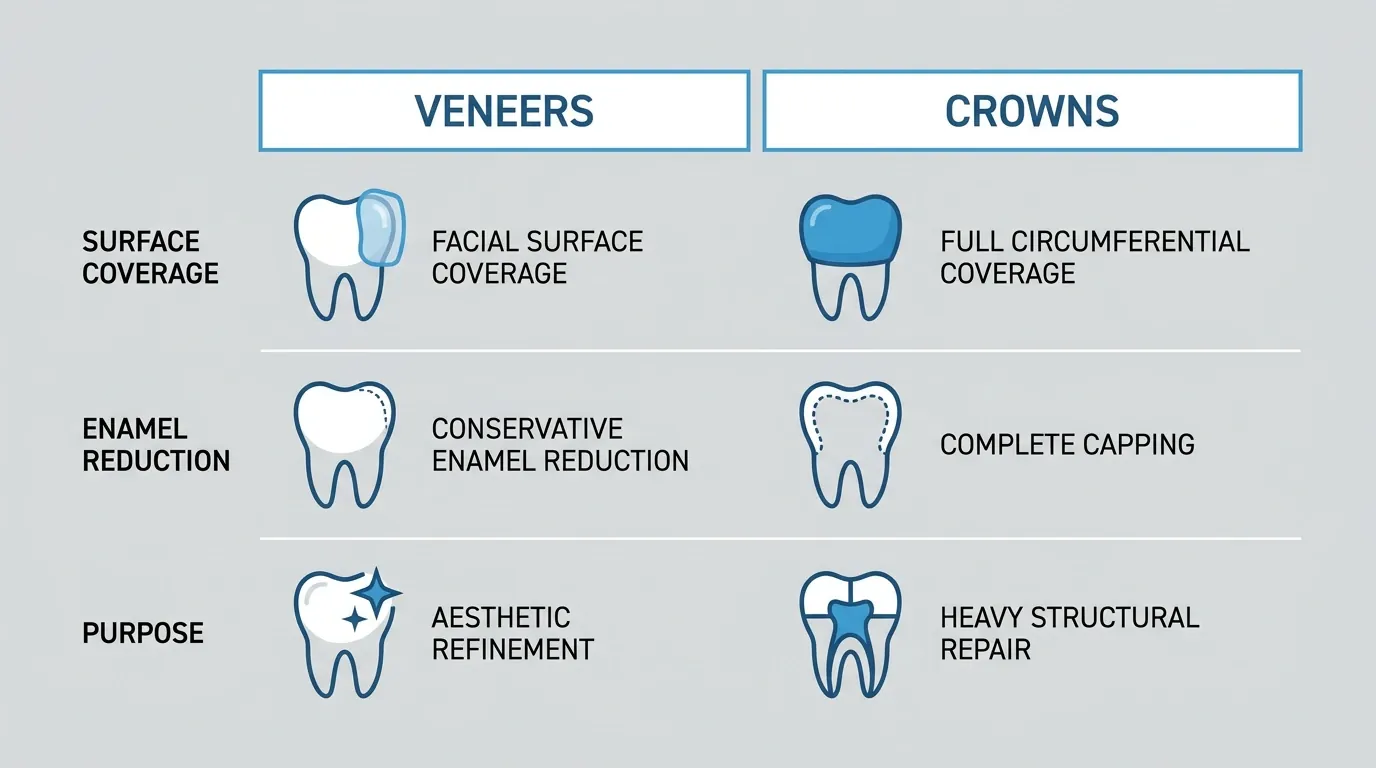
While both restorations enhance the appearance of a tooth, veneers cover only the facial surface, whereas dental crowns encase the entire visible tooth above the gumline. Veneers serve primarily an aesthetic role with conservative tooth modification, making them an ideal choice when substantial healthy enamel remains intact.
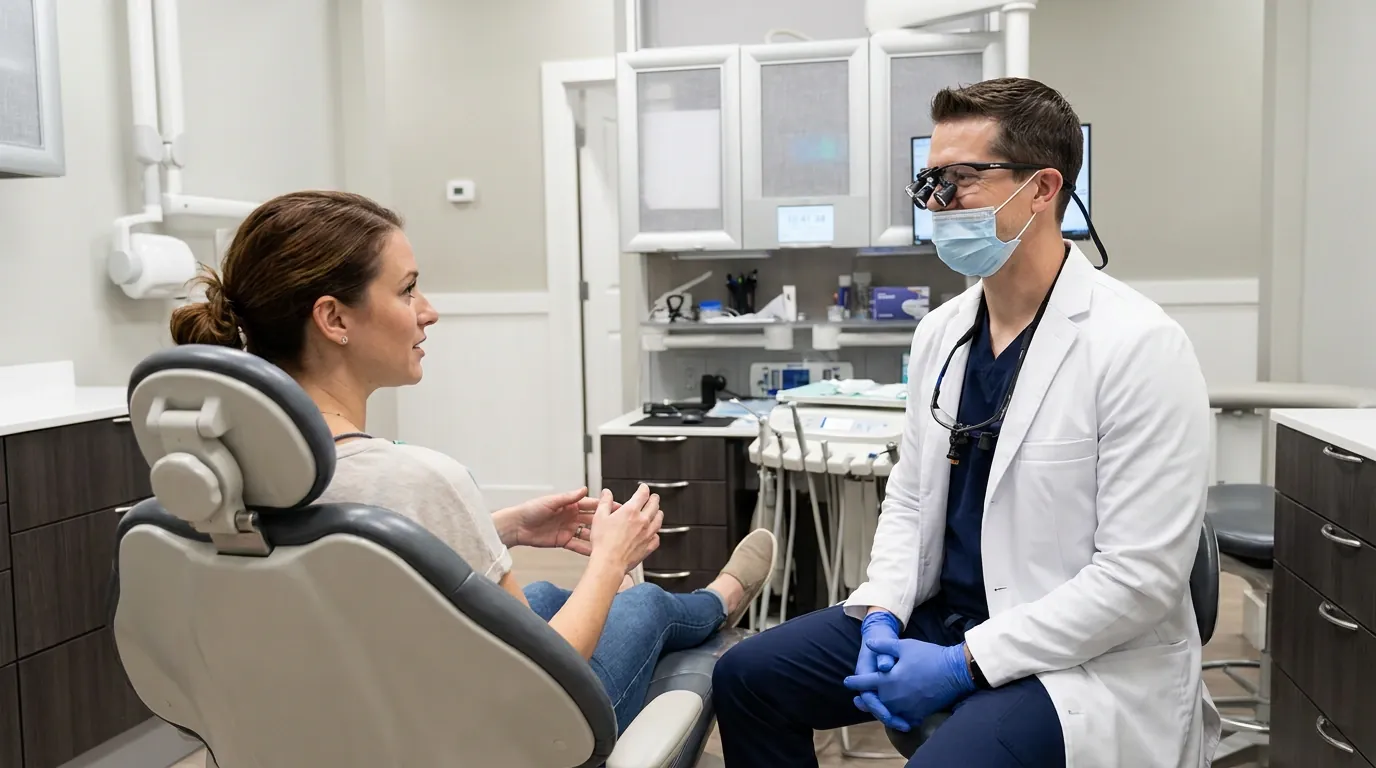
During her initial exam at Chandler Park Dental Care, Dr. Devin T. Hall carefully evaluated Hannah's bite to determine whether her chipped tooth required full structural reinforcement or conservative cosmetic resurfacing. He explained that her tooth root and back wall were strong, meaning full coverage was unnecessary.
Understanding the key differences helps patients decide which restoration aligns with their clinical needs:
- Surface coverage: Veneers cover only the front and biting edge, while crowns encapsulate all sides of the tooth structure.
- Enamel reduction: Veneers require minimal enamel reshaping, whereas crowns require more extensive reduction to create space for a full cap.
- Primary function: Veneers focus on cosmetic enhancement and minor repairs, while Same Day Crowns restore severely broken or decayed teeth.
Because Hannah's primary goals were aesthetic refinement and subtle shape correction, Dr. Devin T. Hall recommended veneers rather than full crowns.
Who Is an Ideal Candidate for Veneers
An ideal candidate for dental veneers has healthy gums, sufficient natural tooth enamel, and specific aesthetic concerns such as chips, intrinsic discoloration, or small gaps between teeth. Patients must also commit to excellent oral hygiene and be free of active decay or severe periodontal issues before treatment begins.
When reviewing Hannah's dental history, Dr. Devin T. Hall confirmed that her teeth and surrounding gum tissue were in excellent health. Her specific cosmetic goals made her a prime candidate for custom cosmetic enhancement through bonded restorations.
Common indications for choosing veneers include:
- Chipped or worn teeth: Repairing minor fractures or edges worn down by normal daily wear.
- Intrinsic staining: Covering deep enamel discoloration that does not respond to standard bleaching agents.
- Minor spacing gaps: Closing unwanted spaces between front teeth without the need for comprehensive orthodontic treatment.
- Uneven tooth contour: Evening out irregularly shaped or disproportionately small teeth for a balanced smile.
Dr. Devin T. Hall noted that patients with severe clenching habits may require a protective nightguard after placement to safeguard their new smile.
Comparing Porcelain and Composite Resin Materials
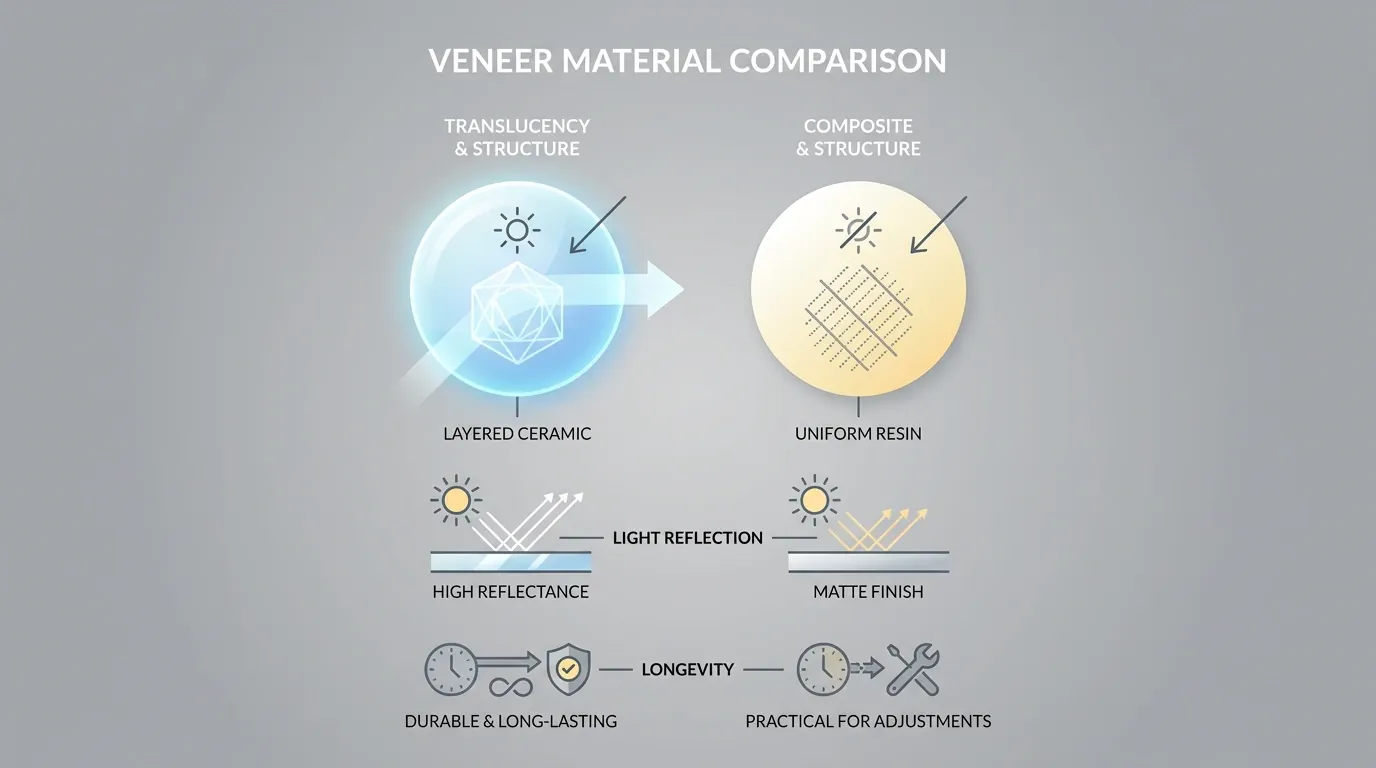
Patients considering veneers typically choose between high-grade porcelain and composite resin materials based on their aesthetic goals, timeline, and budget considerations. Porcelain provides exceptional translucency and stain resistance that closely mimics natural enamel, while composite options can often be placed in fewer appointments.
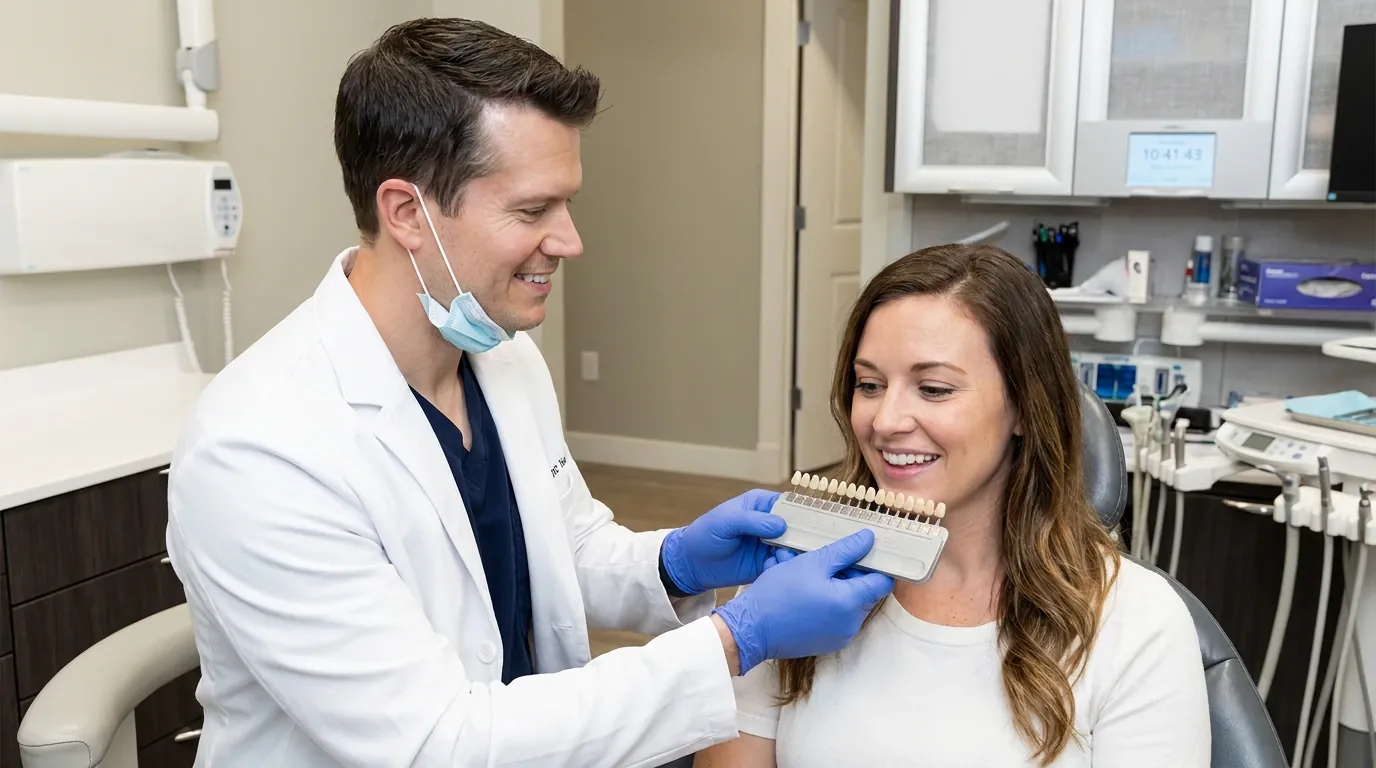
Dr. Devin T. Hall walked Hannah through material samples, showing her how ceramic reflects light similarly to natural tooth enamel. He explained that porcelain restorations offer exceptional stain resistance against dark beverages like coffee and tea, which fit Hannah's daily habits.
Composite resin remains a practical alternative for minor spot adjustments, but porcelain provides superior durability for multi-tooth enhancements. Hannah chose porcelain to achieve the most lifelike and durable result for her front teeth.
What to Expect During the Placement Process
The veneer process typically spans two to three visits, beginning with an aesthetic consultation and digital treatment planning before any preparation occurs. Once the personalized smile design is approved, the teeth are prepared, impressions are gathered, and temporary veneers are placed while a dental laboratory crafts the final restorations.
Dr. Devin T. Hall carefully planned Hannah's procedure using modern diagnostic imaging to preview the final proportions of her smile. This collaborative step allowed Hannah to visualize her expected results before moving forward with tooth preparation.
The standard treatment journey follows these essential steps:
- Aesthetic consultation: The dentist evaluates tooth proportions, facial symmetry, and oral health to design a customized treatment blueprint.
- Tooth preparation: A microscopic layer of enamel is reshaped to create adequate space, ensuring the veneers sit flush with neighboring teeth.
- Temporary restorations: Natural-looking temporary veneers protect the prepared teeth and allow the patient to test the shape and feel.
- Final bonding visit: The custom restorations are checked for fit, color, and occlusion before being bonded with high-strength dental cement.
At her placement visit, Dr. Devin T. Hall carefully verified the shade match under natural lighting before securing Hannah's restorations in place.
Managing Tooth Sensitivity and Daily Comfort
Mild tooth sensitivity to hot or cold temperatures is normal for several days following veneer preparation and final bonding. This temporary reaction occurs because a thin layer of outer enamel was reshaped, allowing temperature changes to reach the inner dentin layer more readily.
Hannah experienced slight sensitivity to iced water during the first forty-eight hours after her final placement visit. Dr. Devin T. Hall had advised her that mild sensitivity is a common temporary response that typically resolves as the tooth nerve calms.
Using a desensitizing toothpaste and chewing soft foods for a few days kept Hannah comfortable while her teeth adjusted. Within a week, her bite felt completely natural, and her temperature sensitivity faded entirely without requiring any special intervention.

How to Maintain Long-Lasting Dental Veneers
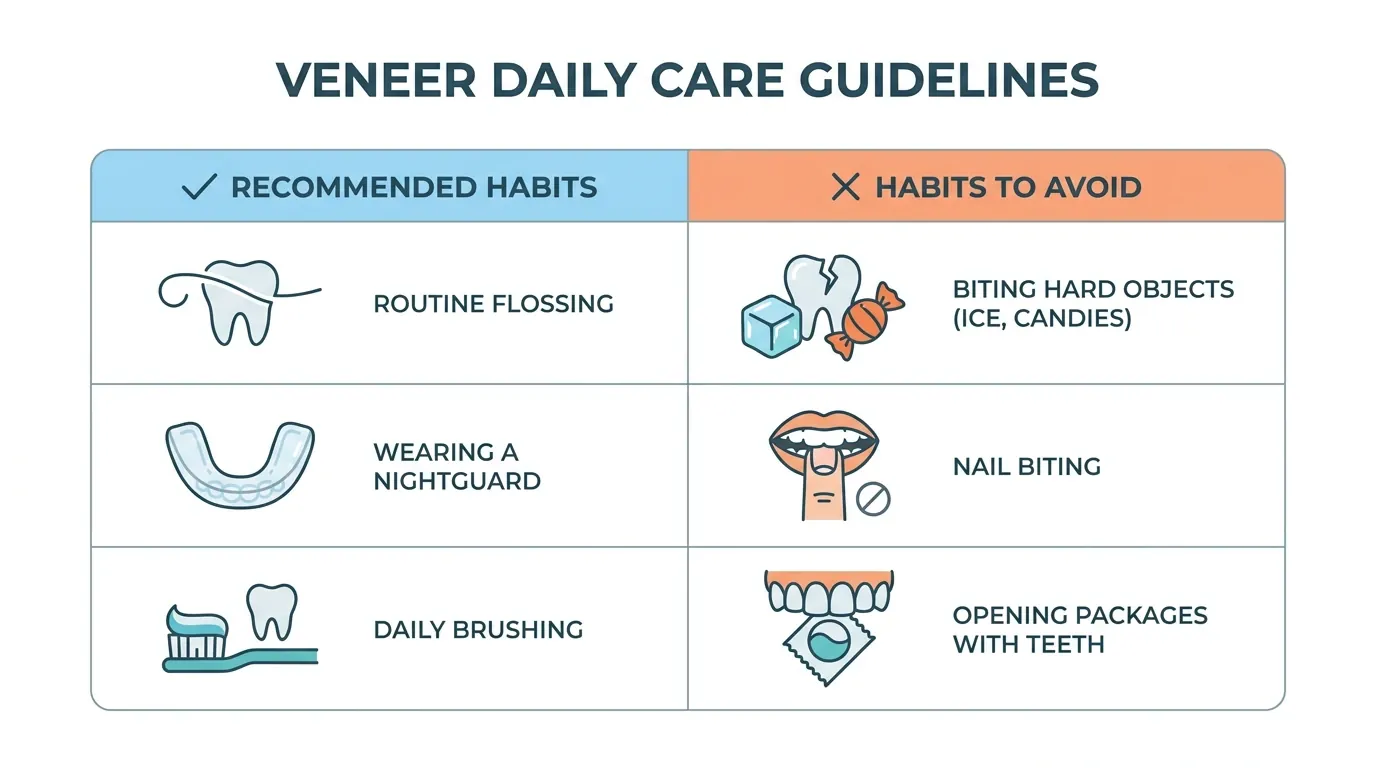
Maintaining dental veneers requires the same diligent oral hygiene habits as natural teeth, paired with sensible precautions to avoid unnecessary mechanical stress. Brushing twice daily, flossing gently around the margins, and avoiding non-food chewing habits help protect the bond and keep surrounding gum tissue healthy.
During Hannah's post-placement checkup, Dr. Devin T. Hall reviewed essential care tips to preserve the polish and integrity of her restorations. He emphasized that preventing gum inflammation is vital because receding gums can expose the margins of the restorations.
Essential maintenance guidelines include:
- Gentle brushing: Use a soft-bristled toothbrush and non-abrasive fluoride toothpaste to avoid scratching the polished ceramic surface.
- Daily flossing: Clean thoroughly around each restoration to prevent plaque buildup along the delicate gumline.
- Protective oral appliances: Wear a custom nightguard if clenching or grinding occurs during sleep.
- Mindful eating habits: Avoid biting into ice cubes, hard candies, or pen caps with veneered front teeth to prevent accidental chipping.
Dr. Devin T. Hall also stressed the value of regular visits for General Dentistry and Hygiene to monitor the restorations over time.
Achieving a Balanced and Confident Smile
Six months after her procedure, Hannah returned to the clinic for a routine cleaning and evaluation. Her porcelain veneers remained bright, smooth, and indistinguishable from her natural teeth, giving her the balanced appearance she had envisioned.
The lingering self-consciousness that previously held her back had lifted, replacing hesitant smirks with an open, genuine smile in both social and professional settings. Exploring Cosmetic Dentistry gave Hannah the specific solution she needed without invasive surgery or extensive tooth reduction.
For adults considering aesthetic smile enhancements, a personalized consultation offers clear answers about treatment candidacy, material choices, and care expectations.
Taking that initial step helps patients understand their options and discover how modern restorative techniques can support their long-term oral health and everyday self-assurance.

Schedule Your Veneer Consultation Today
If you are ready to address chipped, stained, or uneven teeth, the team at Chandler Park Dental Care in Bowling Green, KY is here to help you achieve your smile goals. Contact our team to schedule your personalized cosmetic consultation with Dr. Devin T. Hall and discover how custom dental veneers can transform your confidence.
Frequently Asked Questions
What are dental veneers made from?
Dental veneers are primarily made from high-grade porcelain or composite resin. Porcelain provides exceptional durability, stain resistance, and a natural, light-reflecting quality that closely matches biological tooth enamel. Composite resin offers a conservative alternative that can often be shaped and placed in fewer visits depending on the patient's cosmetic goals.
Are dental veneers reversible once placed?
Most traditional dental veneers are not reversible because the procedure requires removing a thin layer of natural enamel to help support a seamless fit. Once enamel is modified, the tooth will always require a protective restoration like a veneer or crown. Conservative preparation techniques help preserve as much healthy tooth structure as possible.
Does getting dental veneers hurt during treatment?
The veneer placement procedure is designed for comfort, and local anesthetic is applied to numb the treatment area during tooth preparation. Most patients feel gentle vibration or pressure rather than sharp pain. Mild sensitivity may occur for several days after bonding, but this discomfort typically resolves quickly with basic care.
How long do dental veneers typically last?
Dental veneers can provide long-lasting cosmetic benefits when patients practice consistent oral hygiene and attend regular dental cleanings. While veneers do not last indefinitely, taking sensible precautions like wearing a nightguard for clenching and avoiding biting hard objects helps preserve the integrity of the ceramic and the bonding material for many years.
Can dental veneers become stained over time?
Porcelain veneers are highly resistant to stains from coffee, tea, red wine, and tobacco because their glazed surface is non-porous. However, the bonding cement at the edges and any exposed natural tooth structure can still pick up discoloration. Maintaining regular cleanings and good daily brushing helps keep the entire smile bright and uniform.
Can dental veneers fix crooked or misaligned teeth?
Veneers can address minor alignment issues, small gaps, or slightly turned teeth by creating the visual appearance of a straight smile. However, for moderate to severe orthodontic problems or bite discrepancies, Dr. Devin T. Hall may recommend Clear Aligners prior to or instead of cosmetic restorations to ensure proper oral function.